
Orthodontic Appliances
- Single phase early treatment
- Two Phase Early Treatment
- LM-Activator appliance
- Indications
- Selecting model
- Products
- Why treat early?
- Research
- Courses
-
Single phase early treatment

Recent research confirms what clinical experience has suggested: Single phase treatment with LM-Activator in the early mixed dentition gives amazing results that remain stable into adulthood.
In Single Phase Early Treatment, retention follows immediately after active treatment. This is a notable difference to Two Phase Early Treatment that typically has a pause phase, which may cause relapse, between the first and second treatment phases.
In some cases, treatment with LM-Activator is also possible during the late mixed dentition or early permanent dentition.


Age 5: Fully developed deciduous dentition with deep bite. Start of treatment with LM-Activator.


Age 8: End of active treatment.


Age 18: Results remain stable. Pictures:
- Keski-Nisula, K. 2008: Occlusal and dentofacial characteristics of the deciduous dentition and treatment effects of the eruption guidance appliance in the early mixed dentition. Annales Universitatis Turkuensis D 827, 92 http://urn.fi/URN:ISBN:978-951-29-3694-6
- Varrela J. Effectiveness of the eruption guidance in early orthodontic treatment. World Federation of Orthodontists 7th International Orthodontic Congress, Feb 6.-9. 2010, Sydney, Australia
Treatment protocol
LM-Activator is worn every night while sleeping. The teeth should be kept tightly in the appliance with lips closed. If treatment is started after eruption of the permanent upper centrals, two hours of day-wear is recommended in addition to night-wear. Day-wear is continued until the malocclusion is corrected.
Co-operation and motivation
Patient compliance is essential for successful treatment. The first month is crucial in adopting the habit to use. To motivate the patient and parents age appropriate materials are available.
-
Two Phase Early Treatment
Two-phase orthodontic treatment consists of two separate periods of orthodontic treatment [AAO]:
- A first phase during the mixed dentition.
- Second phase when the child has most or all of their permanent teeth.
According to the AAO, potential benefits of early treatment are[AAO2]:
- Preventing or intercepting more serious problems from developing.
- Making the second phase shorter and less complicated.
- Achieving treatment results that may not be possible without taking advantage of natural growth of the mandible.
LM-Activator can be used both in the first phase as an active appliance as well as between the first and second phases as a retainer, which permits natural dentofacial development.
According to a Cochrane meta-analysis based on three RCT studies, one phase treatment and two phase treatment seem to give very similar final results [Harrison]. It should be noted, though, that meta-analyses and RCTs have well-known limitations [Rawlins, Fisher, King, Strobe, Schroll, Cochrane ]. Their results and conclusions cannot be generalized [Rawlins] beyond the study context (in this case 8 – 11 years of age), additional research is needed to identify the best timing of treatment. Recent research results indicate that growth modification should occur during the juvenile growth spurt and/or the pubertal growth spurt [Keski-Nisula, Keski-Nisula2, Varrela, Baccetti, Bacetti2]. In severe cases, it may be beneficial to activate growth during both spurts.
References -
LM-Activator appliance
LM-Activator

Premolded in the shape of the ideal occlusion in different sizes:
- Aligns teeth
- Expands the perimeter of the arches
- Activates mandibular growth
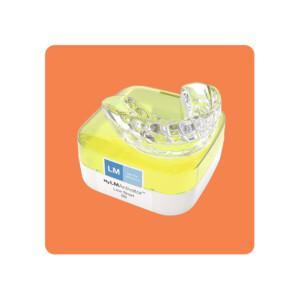
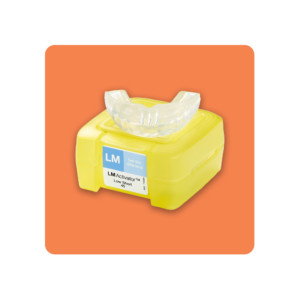
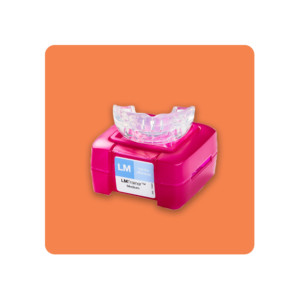
LM-Activator™ is an orthodontic appliance for early orthodontic treatment and eruption guidance. Treatment is typically started when the the first permanent lower incisor begins to erupt. It can also be used in the late mixed dentition or in the early permanent dentition. By intervening early, further development of a malocclusion may be avoided.
The functional appliances are molded in a shape corresponding to the ideal occlusion in different sizes. A total of 37 different model and size combinations makes it possible to select an LM-Activator that is appropriate for the patient without the need for individual modifications. LM-Activator simultaneously expands the dental arches, aligns teeth and brings the mandible forward for Class II correction.
-
Indications
LM-Activator has proven to be effective in treatment of different malocclusions in different dental stages. The below chart provides demonstrative guidelines for case selection. A thorough case-by-case analysis of the patient’s malocclusion and its severity as well as the patient’s motivation is needed. Evaluating the dentoalveolar, skeletal and functional characteristics of the patient is an essential part of selecting cases for LM-Activator treatment. Typical cases include deep-bite, crowding and dentoalveolar anterior crossbite.
Recommended X
Can be considered ODeciduous Dentition
Early mixed Dentition
Late mixed dentition
Early permanent dentition
Overjet, overbite
Severe X O Moderate X X O Mild X X X Anterior crowding (incisors and canines)
Severe X O O Moderate X X O Mild X X X Dentoalveolar anterior crossbite of 1-2 teeth
Severe X X O O Moderate X X X O Mild X X X X Rotated anterior teeth
Severe X Moderate X X Mild X X X Class II
Severe X O Moderate X X Mild X X Scissorsbite
Severe X X Moderate X X X Mild X X X Gummy smile
Severe X X Moderate X X Mild X X Open bite
(high model)Severe X X Moderate X X X Mild X X X Contraindications:
- Skeletal Class III
- Midline discrepancy >3 mm*
- Very narrow upper arch*
- Palatally impacted teeth*
- Severely rotated posterior teeth*
- Fully erupted anterior teeth that require torqueing*
* May be treated with combination treatment (LM-Activator together with other appliances such as quad helix.)
IndicationsLM-Activator has proven to be effective in treatment of different malocclusions in different dental stages. The below chart provides demonstrative guidelines for case selection. A thorough case-by-case analysis of the patient’s malocclusion and its severity as well as the patient’s motivation is needed. Evaluating the dentoalveolar, skeletal and functional characteristics of the patient is an essential part of selecting cases for LM-Activator treatment. Typical cases include deep-bite, crowding and dentoalveolar anterior crossbite.
Recommended X
Can be considered ODeciduous Dentition
Early mixed Dentition
Late mixed dentition
Early permanent dentition
Overjet, overbite
Severe X O Moderate X X O Mild X X X Anterior crowding (incisors and canines)
Severe X O O Moderate X X O Mild X X X Dentoalveolar anterior crossbite of 1-2 teeth
Severe X X O O Moderate X X X O Mild X X X X Rotated anterior teeth
Severe X Moderate X X Mild X X X Class II
Severe X O Moderate X X Mild X X Scissorsbite
Severe X X Moderate X X X Mild X X X Gummy smile
Severe X X Moderate X X Mild X X Open bite
(high model)Severe X X Moderate X X X Mild X X X Contraindications:
- Skeletal Class III
- Midline discrepancy >3 mm*
- Very narrow upper arch*
- Palatally impacted teeth*
- Severely rotated posterior teeth*
- Fully erupted anterior teeth that require torqueing*
* May be treated with combination treatment (LM-Activator together with other appliances such as quad helix.)
LM-Activator has proven to be effective in treatment of different malocclusions in different dental stages. The below chart provides demonstrative guidelines for case selection. A thorough case-by-case analysis of the patient’s malocclusion and its severity as well as the patient’s motivation is needed. Evaluating the dentoalveolar, skeletal and functional characteristics of the patient is an essential part of selecting cases for LM-Activator treatment. Typical cases include deep-bite, crowding and dentoalveolar anterior crossbite.
Recommended X
Can be considered ODeciduous Dentition
Early mixed Dentition
Late mixed dentition
Early permanent dentition
Overjet, overbite
Severe X O Moderate X X O Mild X X X Anterior crowding (incisors and canines)
Severe X O O Moderate X X O Mild X X X Dentoalveolar anterior crossbite of 1-2 teeth
Severe X X O O Moderate X X X O Mild X X X X Rotated anterior teeth
Severe X Moderate X X Mild X X X Class II
Severe X O Moderate X X Mild X X Scissorsbite
Severe X X Moderate X X X Mild X X X Gummy smile
Severe X X Moderate X X Mild X X Open bite
(high model)Severe X X Moderate X X X Mild X X X Contraindications:
- Skeletal Class III
- Midline discrepancy >3 mm*
- Very narrow upper arch*
- Palatally impacted teeth*
- Severely rotated posterior teeth*
- Fully erupted anterior teeth that require torqueing*
* May be treated with combination treatment (LM-Activator together with other appliances such as quad helix.)asdfluhf
LM-Activator has proven to be effective in treatment of different malocclusions in different dental stages. The below chart provides demonstrative guidelines for case selection. A thorough case-by-case analysis of the patient’s malocclusion and its severity as well as the patient’s motivation is needed. Evaluating the dentoalveolar, skeletal and functional characteristics of the patient is an essential part of selecting cases for LM-Activator treatment. Typical cases include deep-bite, crowding and dentoalveolar anterior crossbite.Contraindications:- Skeletal Class III
- Midline discrepancy >3 mm*
- Very narrow upper arch*
- Palatally impacted teeth*
- Severely rotated posterior teeth*
- Fully erupted anterior teeth that require torqueing*
- Skeletal Class III
- Midline discrepancy >3 mm*
- Very narrow upper arch*
- Palatally impacted teeth*
- Severely rotated posterior teeth*
- Fully erupted anterior teeth that require torqueing*
Recommended X
Can be considered ODeciduous Dentition
Early mixed Dentition
Late mixed dentition
Early permanent dentition
Overjet, overbite
Severe X O Moderate X X O Mild X X X Anterior crowding (incisors and canines)
Severe X O O Moderate X X O Mild X X X Dentoalveolar anterior crossbite of 1-2 teeth
Severe X X O O Moderate X X X O Mild X X X X Rotated anterior teeth
Severe X Moderate X X Mild X X X Class II
Severe X O Moderate X X Mild X X Scissorsbite
Severe X X Moderate X X X Mild X X X Gummy smile
Severe X X Moderate X X Mild X X Open bite
(high model)Severe X X Moderate X X X Mild X X X Recommended X
Can be considered ODeciduous Dentition
Early mixed Dentition
Late mixed dentition
Early permanent dentition
Overjet, overbite
Severe X O Moderate X X O Mild X X X Anterior crowding (incisors and canines)
Severe X O O Moderate X X O Mild X X X Dentoalveolar anterior crossbite of 1-2 teeth
Severe X X O O Moderate X X X O Mild X X X X Rotated anterior teeth
Severe X Moderate X X Mild X X X Class II
Severe X O Moderate X X Mild X X Scissorsbite
Severe X X Moderate X X X Mild X X X Gummy smile
Severe X X Moderate X X Mild X X Open bite
(high model)Severe X X Moderate X X X Mild X X X Yes they have. OR They will erupt soon.art
-
Selecting model
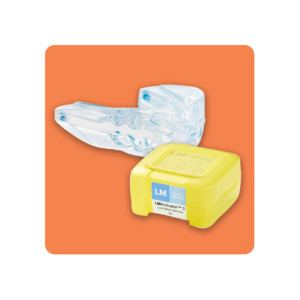
The Low-model of LM-Activator is applicable to many different cases according to the table of indications. The High-model of LM-Activator is thicker in the region of second premolars and molars. It is specifically designed for treating skeletal and dentoalveolar open bite cases.
Both the Low- and High-models are available in two lengths. The Short-model with a shorter molar section is for patients whose second molars have not yet erupted. The Long-model with a longer molar section is for patients whose second molars have erupted or are about to erupt.

Selecting size
A total of 37 different model and size combinations makes it possible to select an LM-Activator that is appropriate for the patient without the need for individual modifications. LM-OrthoSizer is a measure for aiding the selection of the appropriate size. It measures the distance across the upper incisors. In case of crowding or diastemas, consider a larger or smaller appliance.

Place the elevated marker between the left maxillary lateral incisor and canine.

Read the scale between the right maxillary lateral incisor and canine (i.e. at the mesial surface of the canine). Sizes 10, 20, 30… are indicated with larger markers whereas sizes 15, 25, 35… are indicated with smaller markers. (In this photo the measurement is “20”.) In case of crowding or diastemas, consider a larger or smaller size.
Fitting
Fitting is the most important step of size selection. Appliances used for fitting can be sterilized in an autoclave.

Fig. 1. The canine rests at the bottom of its slot and LM-Activator places no mesiodistal-force on the canine. If there is no crowding or risk of crowding, the size in the photo is correct. However, if crowding is present or expected, a larger size should be selected to enable expansion of the arch perimeter.

Fig. 2. One size larger than in Fig.1. The canine is guided by LM-Activator towards the bottom of the canine’s slot and applies a force that pushes the canine distally. This size is appropriate if crowding is present or expected and arch perimeter expansion is needed.

Fig. 3. Three sizes larger than in Fig. 1. The appliance is too large. The canine is guided against a ridge between two slots and the appliance does not guide teeth properly. Choose a smaller size. Sterilize LM-Activator in the autoclave.
-
Products
-
Why treat early?
The developed deciduous occlusion provides a good prediction for how the occlusions will develop in the future:
- A distal step of 1 mm or more invariably leads to a Class II molar relationship in the permanent dentition [1-5].
- A flush terminal plane leads to Class II in about 40% of patients [3-4]. A flush terminal plane combined with a Class II canine relationship seems to indicate a higher risk of distal occlusion [6]
- Lingually inclined upper deciduous incisors that are covered by the lower lip are likely to develop into Class II, div 2 in the permanent dentition [7]
- If there are signs of convexity and a retruded mandible in the fully developed deciduous dentition, development of Class II div 1 can be expected. [Bishara 1997]
- Class II occlusal relations (distal step, Class II deciduous canine relationship, excessive overjet) in the deciduous dentition) persist into the mixed dentition. [Baccetti 1997]
- Lack of adequate space in the deciduous dentition is a reliable indicator of treatment need [7-9]:
Interdental spacing in deciduous dentition
Chance of crowding in permanent dentition
Crowded
100%
0 mm (no spacing)
66%
3 mm or less
50%
3-5 mm
20%
6 mm or more
0%
Table adapted from McNamara JA Jr, Brudon WL. Orthodontics and dentofacial orthopedics. Chapter 3: Dentitional development, Ann Arbor (Mich): Needham Press; 2001.
Malocclusions tend to become more severe as the dentition develops:
- Incidence of mandibular incisor crowding increases from 14% at the age of 6 years to 51% at 14 years of age [10].
- Overbite and overjet typically increase by 1-2 mm when the permanent incisors erupt [7, 8, 11-14]. Later on they tend to decrease less than 1 mm [11, 14].
- Incisor crowding or malalignment that is present when all permanent incisors have erupted, will probably remain or become more severe by the time all permanent teeth have erupted. [5, 15]
- If Class II div 1 is present at age 6, mandibular growth deficiency occurs between age 6 and 15. [Buschang]
An additional benefit is that overjet-related risk of incisor trauma may be reduced, if treatment is started before the permanent maxillary incisors have erupted. [Koroluk, Turpin] Untreated excess overjet may increase the risk of incisor trauma by up to 400%. [Norton, Schatz, Harrison]
The AAO recommends that every child undergoes an orthodontic check-up before the age of seven years. [VV] Early treatment may prevent more serious problems from developing and may make treatment at a later age shorter and less complicated. In some cases, early treatment can lead to results that may not be achievable after the face and jaws have finished growing. [WW]
According to the AAPD, “Guidance of eruption and development of the primary, mixed, and permanent dentitions is an integral component of comprehensive oral health care for all pediatric dental patients. … Early diagnosis and successful treatment of developing malocclusions can have both short-term and long-term benefits while achieving the goals of occlusal harmony and function and dentofacial esthetics.” [XX]
Juvenile Growth Spurt
In addition to the well-known pubertal growth spurt, the juvenile growth spurt provides another excellent opportunity to benefit from natural mandibular growth. Read more
-
Research
The research results speak for themselves. LM-Activator is an effective method for treating malocclusions in the mixed dentition with stable results. Some of the long term research results are already published and additional results will be published when available.


Keski-Nisula K; Keski-Nisula L; Salo H; Voipio K, Varrela J. Dentofacial Changes after Orthodontic Intervention with Eruption Guidance in the Early Mixed Dentition. Angle Orthod 2008;78:324-331
-
Courses
Courses by experts on clinical use of LM-Activator are arranged in different parts of the world. The duration is typically 1-2 days. If you would like to be contacted when we are planning a course in your region, please click here to fill the form.